Beautiful Messes: What Happens When Star Chefs Fall in Love With the Ugly Stuff at the Bottom of the Crate
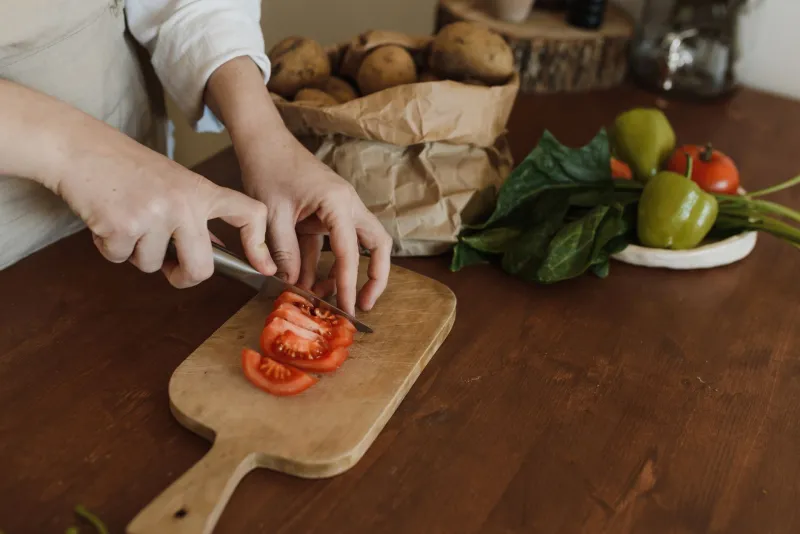
Let's be honest about something: a perfectly round, uniformly red tomato is kind of suspicious. Real tomatoes — the ones grown in actual dirt by actual people — come out lumpy, cracked, sometimes two-fused-into-one weird. They split when it rains too hard. They blush unevenly. They look, by grocery store standards, like failures.
Chef Yara Castillo, who runs a farm-to-table restaurant in the Hudson Valley, holds up a fist-sized heirloom tomato with a deep radial crack running down one shoulder. "This one," she says, "is going into the best dish on my menu tonight."
Across the country, a growing number of chefs are making exactly this call — choosing the culled, the surplus, the cosmetically challenged — and turning them into food that makes people close their eyes when they take a bite. It's part philosophy, part economics, and entirely delicious.
The Numbers Behind the Waste
Before we get to the food, let's sit with the scale of the problem for a second. The USDA estimates that between 30 and 40 percent of the US food supply goes to waste. A significant chunk of that loss happens before food even reaches a store — on the farm itself, where produce that doesn't meet the cosmetic standards of retailers gets left in the field, fed to livestock if they're lucky, or simply tossed.
For small and mid-size farms, this represents real money walking out the door. A farm growing specialty vegetables might lose 20–30% of its harvest to cosmetic rejection. That's labor, water, land, and time that generates zero revenue.
Chef partnerships that specifically seek out this "second grade" produce solve two problems at once: farms get paid for crops they'd otherwise write off, and chefs get exceptional flavor at a fraction of the cost of perfect-looking produce.
"I pay about 40% less for my heirloom tomatoes than I would at the farmers market," Castillo says. "And I'm getting the ones with the most flavor, because they've been on the vine the longest."
7 Techniques Turning Imperfect Into Incredible
1. The Long Roast
Split or overripe tomatoes, bruised peppers, and soft stone fruit are tailor-made for low-and-slow roasting. Chef Darnell Price at a New Orleans farm-to-table spot confits bruised heirloom tomatoes in olive oil at 275°F for three hours. The result is an intensely sweet, jammy tomato that becomes the base of his signature pasta. "The crack that made it unsellable concentrates the flavor," he says. "I'm not fixing a flaw. I'm using it."
2. Fermentation as Salvation
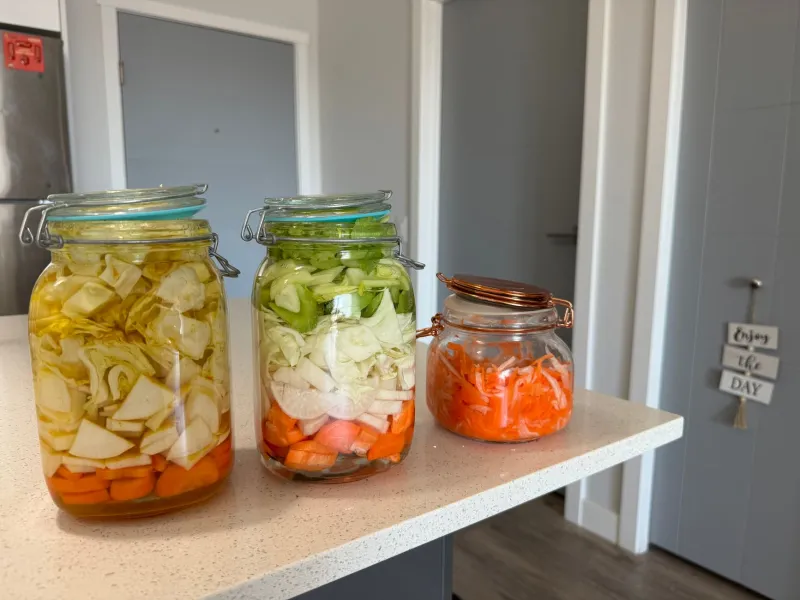
Producer-surplus vegetables — the ones that come in bulk when a crop peaks all at once — are perfect fermentation candidates. Excess cucumbers become half-sours. Surplus cabbage becomes kraut. Chef Min-Ji Park in Portland pickles imperfect daikon radishes in a ginger-miso brine and serves them alongside grilled pork belly. The economics are unbeatable: she pays almost nothing for the daikon, and the dish moves at a premium price point.
3. Peel-to-Stem Utilization
Many chefs working with ugly produce have adopted a zero-trim philosophy. Knobby carrots that would require excessive peeling to look presentable get roasted whole with skin on, then blended into a velvety soup. "When you stop trying to make it look like the grocery store version, you start cooking differently," says chef Tomás Reyes in San Antonio. "You start cooking like a grandmother."
4. The Ugly Galette
Rustic free-form tarts — galettes — are a home cook's best weapon against imperfect stone fruit and irregular root vegetables. The rough, uneven edges actually look intentional. Chef Castillo teaches a version using misshapen peaches and nectarines from a local orchard that would otherwise go to a farm stand discount bin. The fruit's asymmetry becomes the aesthetic.
5. Surplus Grain Bowls
When farms overproduce a single vegetable, restaurants that have a flexible grain bowl or composed salad format can absorb large volumes fast. Chef Price works directly with three farms that text him when they have surplus. "Last August I got a call: 80 pounds of imperfect summer squash. I ran a squash-forward grain bowl special for two weeks and sold out every night."
6. Ugly Stock
This one is for home cooks especially. Save your oddly shaped onions, your limp celery tops, your split garlic cloves, your carrot nubs. Freeze them. When you have a full bag, make stock. Imperfect vegetables make flawless stock — flavor has nothing to do with appearance. This is the single easiest way to practice zero-waste cooking without changing anything else about how you cook.
7. The Broken Sauce
Overripe fruits and split berries that would collapse under the pressure of a formal presentation become extraordinary sauces and compotes. Chef Park runs a strawberry coulis on her dessert menu made entirely from "cull" berries — the ones that split or bruise in the flat. "They're sweeter than the perfect ones," she says simply. "They've been sitting in the sun longer."
What This Looks Like at the Farm Level
The chefs we spoke to don't just buy ugly produce — they build actual relationships with the farms producing it. Castillo visits her partner farms three to four times a season. She walks fields with the growers, understanding what's coming, planning menus around abundance rather than forcing farms to meet a predetermined spec.
"The old restaurant model is: you tell the farm exactly what you want and they try to produce it," she says. "The new model is: you ask the farm what they have and you figure out what to cook."
This inversion of the traditional supply chain dynamic is, in a real sense, what farm-to-table is supposed to mean. Not a marketing phrase on a menu. An actual working relationship where both sides benefit and nothing goes to waste.
Try It at Home This Week
You don't need a Michelin star to cook this way. Next time you're at a farmers market, look for the "seconds" basket — most vendors have one, and the price is usually dramatically lower. Ask what's in abundance. Ask what they'd otherwise take home.
Then let the produce tell you what to make. Roast it. Ferment it. Blend it. Throw it in a galette. The imperfection is the point. It means it was grown by someone, in real soil, under a real sky — and that's the most beautiful thing a vegetable can be.