Planting Seeds of Community: The Quiet Revolution Happening in Libraries, Lots, and Living Rooms Across America
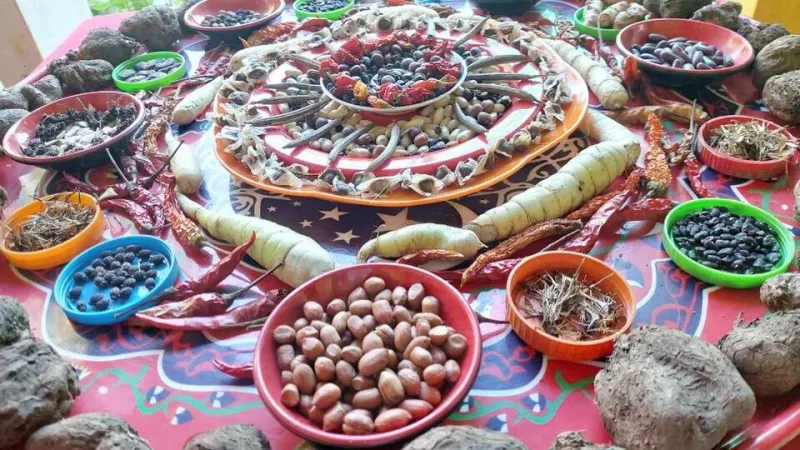
Photo: Elmer Centeno Guevarra, CC BY-SA 4.0, via Wikimedia Commons
There's a wooden cabinet in the Pittsfield Public Library in rural Vermont that used to hold index cards. These days, it holds seeds. Hundreds of small paper envelopes, each one labeled in careful handwriting: Cherokee Purple tomato, Dragon Tongue bean, Mortgage Lifter squash. Patrons check them out just like books. They grow them through the summer. And in the fall, they bring some back — a few saved seeds from their best plants — so the collection keeps growing.
It's a small thing, on the surface. But it's also a radical act.
Seed libraries like the one in Pittsfield are part of a broader, loosely connected movement reshaping how Americans — in cities, suburbs, and rural communities alike — think about food, land, and who controls both. And here at Aby Farm Live, we've been watching this movement up close for a while now. What we're seeing is genuinely exciting.
What Food Sovereignty Actually Means
Food sovereignty is one of those terms that can sound abstract until you understand what its absence looks like. In practical terms, it means the right of communities to define their own food systems — to choose what gets grown, how it gets grown, and who benefits from that production.
For most of human history, that right was simply assumed. Farmers saved their seeds season after season, selecting for the traits that worked best in their specific soil and climate. Knowledge passed from generation to generation. Communities were deeply, practically connected to the biology of their food.
The industrialization of agriculture changed that. The consolidation of seed companies — today, just four corporations control roughly 60% of the global commercial seed supply — has meant that the genetic diversity of our food crops has narrowed dramatically. Since 1900, it's estimated that we've lost somewhere between 75% and 90% of agricultural plant varieties. Those aren't just numbers. Those are flavors, nutrients, and climate adaptations that are simply gone.
Seed libraries and community gardens are, at their core, a response to that loss.
The Science of Saving Seeds
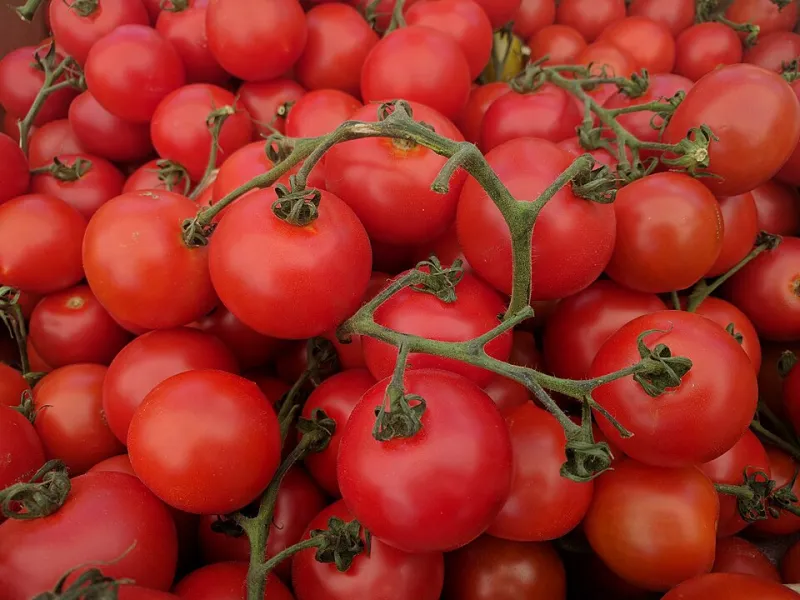
Heirloom seeds — open-pollinated varieties that breed true from generation to generation — are the foundation of this movement. Unlike hybrid seeds (which don't reliably reproduce their parent plant's traits) or patented GMO varieties (which come with legal restrictions on saving and replanting), heirlooms are genuinely owned by the people who grow them.
But keeping them viable requires knowledge that most of us lost somewhere along the way. Different crops have different pollination strategies. Tomatoes are largely self-pollinating, making them forgiving for beginners. Corn, on the other hand, is wind-pollinated and requires isolation distances of 1,000 feet or more to prevent crossing between varieties. Squash will cross-pollinate with abandon given half a chance.
Organizations like the Seed Savers Exchange, based in Decorah, Iowa, have been preserving and teaching these techniques since 1975. Their living collection currently holds more than 20,000 varieties. But increasingly, that expertise is being distributed — taught in community workshops, shared in online forums, and passed along in exactly the informal, neighbor-to-neighbor way it always used to travel.
"When someone comes to our seed library and checks out a packet of Brandywine tomatoes, they're not just getting seeds," says Delia Fontaine, who coordinates the seed library program at a community center in Baton Rouge, Louisiana. "They're getting connected to a history. And when they bring seeds back, they're adding to it."
Urban and Rural, Finally Talking to Each Other
One of the most surprising and hopeful things about this movement is how it's bridging a divide that American culture often treats as unbridgeable: the gap between urban and rural communities.
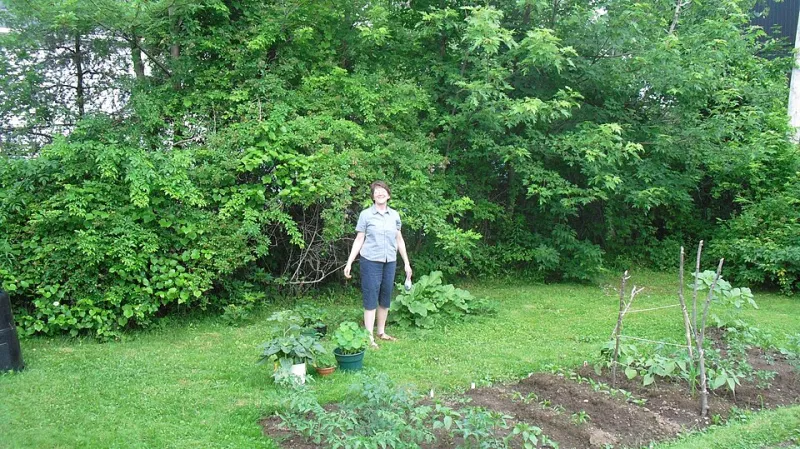
In Detroit, a city that has seen urban agriculture transform vacant lots into productive growing spaces over the last two decades, community gardens have become hubs not just for food production but for cultural exchange. The D-Town Farm, operated by the Detroit Black Community Food Security Network, grows food on seven acres within city limits — and actively partners with farms in Michigan's agricultural regions to share seeds, knowledge, and labor during peak seasons.
In Appalachian Kentucky, the Appalachian Citizens' Law Center has been working with rural seed keepers to document and preserve regionally specific varieties — beans and corn cultivars that have been grown in mountain hollows for generations — and connect that knowledge with urban gardeners in Lexington and Louisville who are hungry for it.
"There's this assumption that rural people have all the agricultural knowledge and urban people have none," says James Whitfield, a community garden coordinator in South Chicago who grew up on a farm in Mississippi. "But it's more complicated than that. Urban gardeners have figured out a lot about growing in constrained spaces, dealing with contaminated soil, building community around food. Rural farmers have deep crop knowledge and seed collections. When those two worlds actually talk to each other, both sides get stronger."
The Policy Fight Nobody's Covering
This movement isn't without friction. In 2012, the state of Minnesota briefly caused a stir when officials suggested that seed libraries might need to comply with commercial seed regulations — rules designed for large-scale seed distributors that would have been functionally impossible for small library programs to meet. Similar regulatory questions have surfaced in other states.
Seed sovereignty advocates have largely prevailed in these skirmishes, often by working with state legislators to create explicit carve-outs for non-commercial seed sharing. But the underlying tension remains. Intellectual property law in the US heavily favors corporate seed developers, and the legal framework around seeds is genuinely complicated.
At the federal level, advocates are pushing for expanded support for public plant breeding programs — the kind of land-grant university research that developed many of the heirloom varieties now being preserved by seed libraries. Those programs were significantly defunded starting in the 1980s as private seed companies expanded their R&D operations. Rebuilding them would be a meaningful investment in food system resilience.
Growing Something Bigger Than Food
On a warm Saturday morning in September, we joined a seed swap at a community garden in East Austin, Texas. About forty people showed up — retirees, young families, a few serious homesteaders, a handful of folks who'd never grown anything before but were curious. Tables were covered with labeled envelopes and small jars. People were tasting tomatoes, comparing notes on what had done well in the brutal Texas summer, swapping not just seeds but stories.
A woman named Rosa, who'd grown up in Oaxaca and now lives in Austin, brought seeds for a variety of corn her grandmother had grown. She didn't know its official name. She knew it made the best tortillas she'd ever eaten. She left with seeds for a Texas-developed sweet potato variety she'd never tried before.
That exchange — that specific, human, unreplicable transaction — is what seed libraries and community gardens are really about. It's not just food sovereignty in the abstract. It's sovereignty made tangible, passed from hand to hand, planted in the ground, and grown into something that feeds people in every sense of the word.
The quiet revolution is planting itself everywhere. All it needs is a little water, a little patience, and people willing to show up.
Want to find a seed library near you? The Seed Library Network maintains a searchable map at seedlibraries.net. And if you're curious about starting a seed swap in your own community, drop us a message — we'd love to stream it live.