Why Cheap Tomatoes Are Actually the Most Expensive Thing in Your Cart
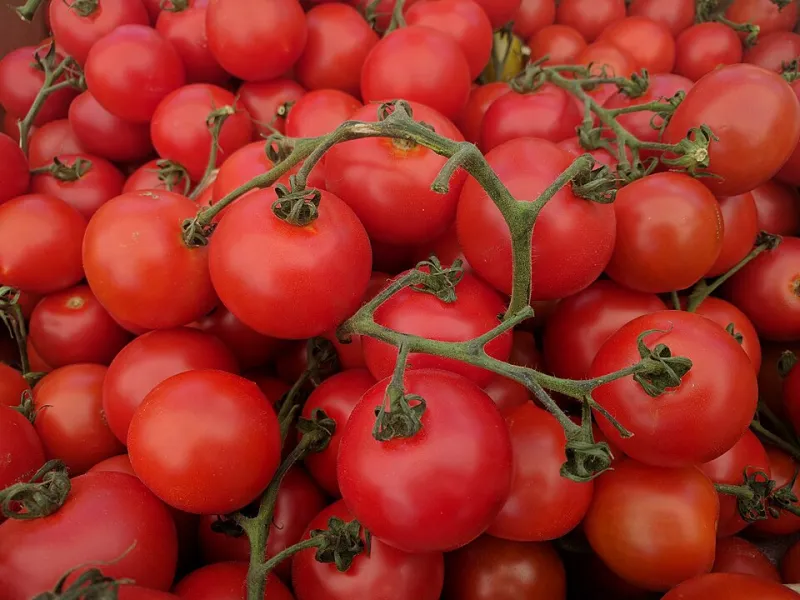
Photo: Grendelkhan, CC BY-SA 3.0, via Wikimedia Commons
Walk into any major grocery chain in America right now and you can grab a pound of tomatoes for somewhere around a buck and a quarter. Meanwhile, your local farmers market vendor is asking three, maybe four dollars for the same weight. On the surface, that looks like a rip-off. But here at Aby Farm Live, we've spent a lot of time talking to the people who actually grow your food — and the math tells a very different story.
The cheap tomato isn't cheap. It just hides what it costs.
The Subsidy Elephant in the Room
Let's start with the uncomfortable truth that doesn't show up on any price tag: the US federal government spends somewhere between $10 billion and $30 billion annually on farm subsidies, depending on how you count them. The lion's share of that money flows not to the small diversified farms growing heirloom vegetables, but to large commodity operations producing corn, soybeans, wheat, and cotton.
Those crops don't feed you directly. They feed the industrial food system — the one that produces your cheap cooking oils, your high-fructose corn syrup, and yes, the feed for the livestock that becomes your grocery store meat. But the ripple effects touch everything, including produce pricing. When the cost of running enormous agricultural operations gets partially absorbed by taxpayer dollars, retail prices get artificially deflated.
Dr. Jillian Morse, an agricultural economist who consults with regional food councils across the Midwest, puts it plainly: "When we talk about the price of food at a supermarket, we're really only talking about the sticker price. The actual cost — what society pays in total — includes environmental remediation, public health expenditure, and the subsidies that made that price possible in the first place."
Small farms don't get those subsidies. They price for survival.
Externalizing the Mess
Here's another line item that never appears on your receipt: environmental damage. Industrial tomato production — particularly in places like Florida and California's Central Valley — relies heavily on synthetic fertilizers and pesticides. The runoff from those chemicals doesn't disappear. It ends up in waterways, depletes soil microbiomes, and contributes to the kind of ecological degradation that costs communities real money to address.
The Gulf of Mexico dead zone, a massive hypoxic area off the Louisiana coast, is fed largely by nitrogen runoff from Midwestern agriculture. Cleaning that up — if it even gets cleaned up — is a public cost. It's not baked into the price of your produce.
Farm-to-table operations, by contrast, tend to use practices that actually build environmental health rather than extract from it. Composting, cover cropping, integrated pest management — these approaches cost more to implement, and those costs are reflected honestly in what you pay at the farmers market booth or in your CSA box.
"We don't have the option to dump our waste somewhere else and let someone else deal with it," says Marcus Delgado, who runs a 12-acre mixed vegetable operation outside Asheville, North Carolina. "What happens on our land stays on our land. So we take care of it. And yeah, that costs money."
The Labor Nobody Talks About
Tomatoes don't pick themselves. And the people who do pick them — particularly in large-scale operations — are among the most economically vulnerable workers in the American food system. Farmworker wages have historically been excluded from standard labor protections. The Fair Labor Standards Act, passed in 1938, explicitly carved out agricultural workers from overtime requirements — a provision rooted in racial politics that has never been fully corrected.
When you buy a $1.29 tomato, you're buying a product picked by someone who may have earned poverty wages in conditions that would be illegal in almost any other American industry. That's a cost too — it's just a cost paid by the worker, not the consumer.
Small farms aren't perfect on this front either. But many of the farm-to-table operations we feature here at Aby Farm Live are paying living wages, offering benefits, and treating their workers as partners in the enterprise. That shows up in pricing. And honestly? It should.
Why the Gap Is Closing
Something interesting is happening. Over the last five years, the price premium on locally grown, sustainably farmed produce has been narrowing — not because small farms are cutting corners, but because consumers are demanding transparency and the market is responding.
A 2023 survey by the Food Marketing Institute found that more than 60% of US consumers said they actively sought information about where their food came from before purchasing. That's not a niche preference anymore. That's a majority.
At the same time, more states are launching programs to direct institutional purchasing — schools, hospitals, government cafeterias — toward local farms. When small farms can access those larger contracts, they gain the volume stability to reduce per-unit costs without sacrificing their practices.
Technology is helping too. Platforms that connect farmers directly to consumers — and yes, live streaming experiences like what we do here at Aby Farm Live — are cutting out the middlemen who traditionally absorbed margin that should have gone to growers.
"Five years ago, I was selling at three farmers markets a week and barely breaking even," says Priya Nair, who grows specialty vegetables on six acres in the Hudson Valley. "Now I've got a CSA with 200 members, I sell to two restaurants, and I do weekly live cooking demos with my subscribers. The economics are finally starting to make sense."
What You Can Actually Do
None of this means you need to feel guilty every time you buy groceries at a supermarket. Food access is a real issue, and for millions of American families, the $1.29 tomato isn't a choice — it's a necessity. The system needs to change at a structural level, not just at the level of individual consumer decisions.
But if you do have the flexibility, here's the most honest advice we can offer: understand what you're paying for. When you buy from a local farm, you're not paying a premium. You're paying the actual price. The industrial version is the one with the hidden bill — it just gets sent to someone else.
And that's a tab that's coming due, one way or another.