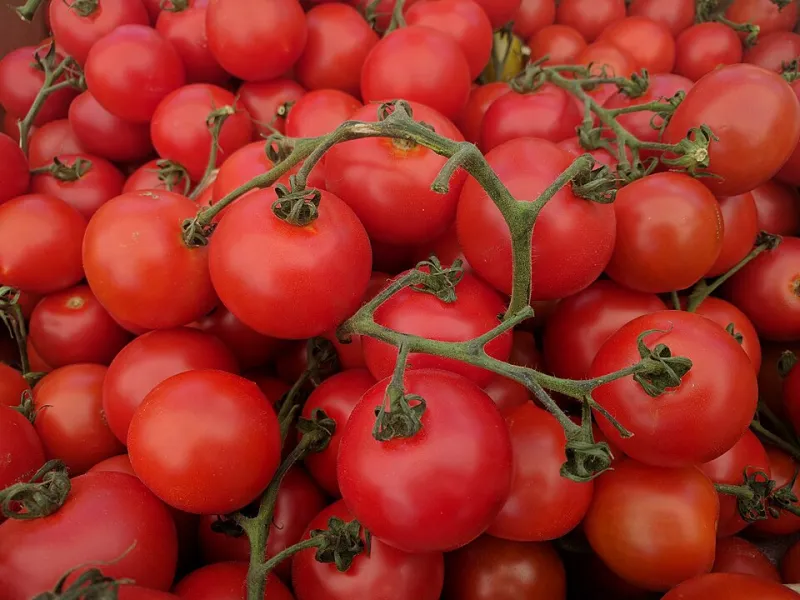
8 Regenerative Tricks from Working Farms That'll Transform Your Backyard Garden
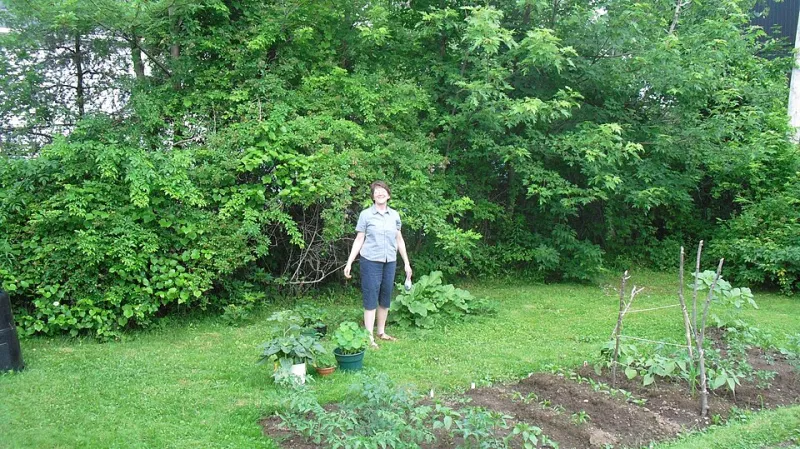
Photo: James Mann from Moncton, New Brunswick, Canada, CC BY 2.0, via Wikimedia Commons
If you've been following along with Aby Farm Live for any stretch of time, you've probably seen us stream from some incredible regenerative operations — places where the soil is dark and crumbly, the plants are thriving without synthetic inputs, and the whole system just hums. And if you've ever watched one of those streams from your apartment balcony or your quarter-acre suburban lot, you might have thought: that's great, but what does any of it have to do with me?
More than you'd think. The principles behind regenerative agriculture aren't scale-dependent. They're biology-dependent. And biology works the same whether you've got 500 acres in Iowa or a 4x8 raised bed in Columbus, Ohio.
Here are eight practices straight from working regenerative farms, adapted for real home gardeners across the US — with results from people who've actually tried them.
1. Feed the Soil, Not Just the Plant
What the pros do: Regenerative farmers think of themselves as soil managers first, crop growers second. Healthy soil teems with billions of microorganisms — bacteria, fungi, nematodes — that form symbiotic relationships with plant roots, unlocking nutrients and improving drought resistance.
What you do at home: Stop reaching for synthetic fertilizers. Instead, top-dress your beds with a half-inch of finished compost at the start of each season. If you can find it, add a handful of worm castings around transplant root zones. These amendments feed the microbial community, which in turn feeds your plants.
Timing: Early spring before planting, and again mid-season as a side-dress.
Real result: Tamara Willis in Portland, Oregon switched her raised beds to a compost-only feeding regimen two seasons ago. "My tomatoes got bigger and I had almost no aphid problems," she told us. "The plants just seemed... sturdier."
2. Never Leave Bare Soil
What the pros do: Commercial regenerative farms keep the ground covered at all times — either with a living crop, a cover crop, or mulch. Bare soil loses moisture, erodes, and invites weeds. It's also a sign that the soil food web is going hungry.
What you do at home: After harvesting a bed, immediately cover it with 2-3 inches of straw mulch, wood chips, or shredded leaves. If you have a few weeks before the next planting, sow a fast-growing cover crop like buckwheat or winter rye instead.
Timing: Year-round habit. Don't let a bed sit bare for more than a day or two.
Real result: Kevin Okafor in suburban Atlanta started mulching heavily last summer. "My watering schedule dropped by almost half. The weeds basically gave up."
3. Cover Cropping for Soil Building
What the pros do: Cover crops are the workhorses of regenerative systems. Legumes like clover and vetch fix atmospheric nitrogen directly into the soil. Grasses like rye build organic matter. Deep-rooted varieties like daikon radish break up compaction.
What you do at home: In fall, after your summer crops come out, broadcast a mix of winter rye and hairy vetch seed across your beds. Let it grow through early spring, then cut it down and turn it in (or just lay it flat as mulch) two to three weeks before planting.
Timing: Sow cool-season cover crops in September or October depending on your USDA hardiness zone.
Pro tip: Seed mixes designed for home gardeners are now widely available at local garden centers and online. Look for "soil builder" blends.
4. Companion Planting That Actually Works
What the pros do: Polyculture — growing multiple species together — is a cornerstone of regenerative farming. Different plants support each other by confusing pests, attracting beneficial insects, and sharing root space without competing.
What you do at home: Start with the Three Sisters: corn, beans, and squash planted together in a cluster. The corn provides a trellis, the beans fix nitrogen, and the squash shades the soil. It's been working for Indigenous farmers across North America for thousands of years.
Other proven combos: basil with tomatoes (may deter thrips), marigolds along the border of any bed (nematode suppression), and nasturtiums as a trap crop for aphids.
Timing: Plant companions simultaneously or within a week of each other.
5. Compost Like You Mean It
What the pros do: Large regenerative farms often have elaborate composting systems with precise carbon-to-nitrogen ratios, regular turning schedules, and temperature monitoring. The goal is hot compost that kills pathogens and weed seeds while producing a biologically rich final product.
What you do at home: You don't need to be a compost scientist, but you do need the basics. Aim for a roughly 3:1 ratio of brown material (dried leaves, cardboard, straw) to green material (kitchen scraps, fresh grass clippings). Keep it moist but not soggy. Turn it every week or two.
Timing: Compost can be started any time of year. A well-managed pile can produce finished compost in as little as 6-8 weeks in warm weather.
Real result: Sandra Mejia in Albuquerque, New Mexico has been composting kitchen scraps for three years. "I haven't bought a bag of soil amendment in two years. My garden basically feeds itself now."
6. Minimize Tillage
What the pros do: Tilling destroys fungal networks, inverts soil layers, and releases stored carbon into the atmosphere. Regenerative farmers are increasingly moving to no-till or minimal-till systems.
What you do at home: Use a broadfork instead of a rototiller to loosen compaction without inverting soil layers. When planting, disturb only the immediate area around the seed or transplant. Over time, your soil structure will improve dramatically.
Timing: Shift away from deep tilling at the start of your next season. It's a mindset shift as much as a technique.
7. Harvest Rainwater
What the pros do: Water management is central to regenerative agriculture — building swales, planting on contour, and retaining rainfall on-site rather than letting it run off.
What you do at home: A simple rain barrel connected to a downspout is a meaningful start. Even a 55-gallon barrel can capture enough water from a single decent rain event to cover a week of garden irrigation. Some municipalities offer rain barrel rebates — check your local water utility.
Timing: Install before the rainy season in your region.
8. Observe Before You Act
What the pros do: The best regenerative farmers are obsessive observers. They walk their fields regularly, notice changes in plant color and posture, watch where water moves, and track insect populations before reaching for any kind of intervention.
What you do at home: Spend five minutes a day just looking at your garden. No phone. No task list. Just observe. You'll catch problems early, notice what's thriving, and start to understand your specific microclimate in a way no book can teach you.
This is, honestly, the most important practice on this list — and the one that costs absolutely nothing.
Regeneration isn't a destination. It's a direction. You don't have to implement all eight of these at once. Pick two, try them this season, and watch what happens. Your soil will tell you when you're on the right track.